

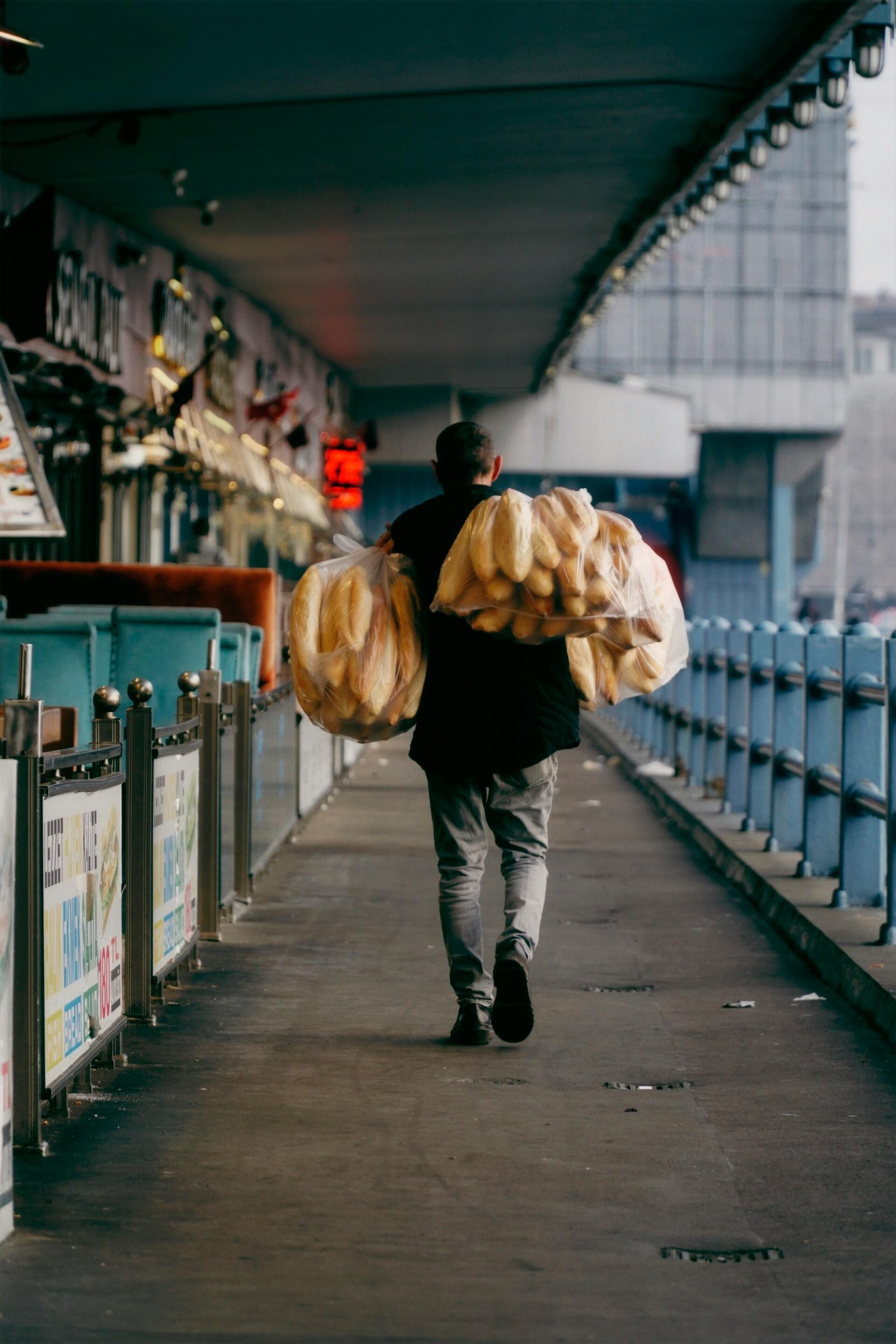

Understanding Travel Food Costs
When embarking on a journey, one of the most significant expenses travelers face is the cost of food. This category encompasses various elements, including dining experiences in restaurants, purchasing quick snacks, or even stocking up on groceries for self-catering. The overall budget for food while traveling can greatly vary depending on factors such as destination, country of origin, and the types of cuisines one intends to enjoy.
When evaluating dining out, costs may fluctuate dramatically based on the locale and the type of establishment. For instance, choosing upscale restaurants in cosmopolitan cities typically results in higher prices, whereas local eateries or street food options tend to be more affordable. Additionally, food costs can vary from country to country; for example, dining in Southeast Asia is often significantly cheaper compared to Western nations. Understanding these variations allows travelers to create a more accurate budget that reflects their culinary preferences and travel habits.
Snacking is another important area where food costs can accumulate quickly. Whether indulging in local treats or purchasing everyday convenience items, these expenditures should be factored into the overall food budget. Many travelers may not account for the cost of snacks and drinks, leading to unexpected expenses. Moreover, travelers should recognize that food prices may differ even within the same city depending on the proximity to tourist attractions or local markets.
Setting a realistic food budget is crucial for making informed financial decisions while traveling. Consideration should be given to both dining out and self-catering options, as well as personal preferences. By having a clear understanding of the potential costs associated with food, travelers can effectively manage their finances and make the most of their culinary experiences on the road.
Research Local Food Options
Traveling provides an excellent opportunity to explore diverse culinary experiences. However, dining out can quickly lead to substantial expenses if not carefully managed. To maintain your budget while enjoying authentic local cuisine, conducting thorough research on local food options prior to your arrival is essential. Using various online resources and smartphone applications can significantly assist in identifying affordable dining venues in your destination city.
Several websites and apps specialize in uncovering budget-friendly restaurants, street food stalls, and local markets. Platforms like Yelp, TripAdvisor, and Google Maps allow travelers to browse through numerous eateries, filtering results by price range, user ratings, and even specific cuisines. This targeted approach not only helps discover low-cost dining options but also highlights places renowned for their unique dishes. Additionally, many travel blogs and social media pages offer personal recommendations that can lead to hidden gems not found in mainstream guides.
Another valuable resource is local food apps that focus on street vendors and markets. For instance, apps like EatWith or Street Food Finder help travelers locate affordable options that feature authentic local flavors. Engaging with these platforms encourages the exploration of culture and history through food. Furthermore, reading reviews from fellow travelers can provide insights into the quality and quantity of food, enhancing the overall dining experience while on the road.
In essence, taking advantage of the wealth of online resources and apps can empower travelers to make informed decisions about their dining experiences. Researching local food options ahead of time enables the identification of considerable savings while indulging in the culinary delights characteristic of the region. This approach leads to a more enriching travel experience without compromising on quality or authenticity.
Grocery Shopping: A Cost-Effective Alternative
Traveling often incurs various expenses, particularly when it comes to dining out for every meal. One effective method to mitigate these costs is by embracing grocery shopping. Making use of local markets and supermarkets can provide significant savings and offers the opportunity to experience a destination in a more authentic manner.
Firstly, finding local grocery stores while traveling is relatively straightforward. Researching online or utilizing travel apps can guide you to nearby markets, supermarkets, and even specialty food shops that showcase regional products. Engaging with locals can also yield valuable recommendations, allowing you to uncover hidden gems that tourists might overlook. Not only do these establishments typically offer lower prices than restaurants, but they also provide a chance to explore local cuisine and ingredients.
When grocery shopping, selecting fresh and seasonal produce can enhance your travel experience while ensuring you consume healthy, nutritious meals. Visit farmers’ markets, which are often abundant and can provide a diverse array of fruits and vegetables at competitive prices. Moreover, opting for local delicacies can help you appreciate the culture in a more profound way. Learn to identify quality ingredients by checking for freshness, firmness, and vibrant colors, enhancing the flavor of the meals you will prepare.
Preparing simple meals or snacks requires only basic cooking skills and can save travelers a substantial amount of money compared to dining out three times a day. Simple options such as sandwiches, salads, or pasta require minimal ingredients yet can be both fulfilling and enjoyable. In addition, engaging in cooking can serve as a relaxing break from the routines of travel while also encouraging interaction with fellow travelers or accommodations. Overall, grocery shopping during your travels fosters economic savings without sacrificing the joy of culinary exploration.
Packing Snacks and Essentials
When embarking on a journey, travelers often overlook the significant savings that can be achieved by packing snacks and essential food items. By bringing along your own food supplies, you not only save money but also have better control over your nutritional intake and energy levels while on the go.
To maximize the benefits of packing snacks, consider choosing items that are high in protein, fiber, and healthy fats. These components can help sustain energy levels during long journeys. Popular options include nuts, seeds, energy bars, and dried fruits. These snacks are both lightweight and nutrient-dense, making them ideal for travel. Moreover, they can often be purchased in bulk at more affordable prices compared to the marked-up costs of airport and convenience store food.
For efficient packing, opt for resealable bags or small containers that can easily fit into your luggage or day pack. Organizing snacks into portions not only helps maintain freshness but also curbs the tendency to overconsume. Additionally, consider bringing some quick meal replacements, such as protein powder that can be mixed with water, or instant oatmeal packets for a nutritious breakfast option. These alternatives can greatly reduce the need for expensive meal purchases at tourist destinations.
In addition to snacks, don’t forget about essential items such as reusable water bottles. Staying hydrated is crucial, and carrying a refillable bottle can save money on bottled water. Many airports and train stations now provide filling stations for added convenience.
By planning ahead and packing wisely, travelers can enjoy healthier and less expensive food choices, making their trips both enjoyable and budget-friendly. The key to effective packing is to select items that are nutritious, easy to transport, and capable of providing sustained energy, ultimately enhancing the travel experience while protecting your finances.
Utilizing Accommodations with Kitchen Facilities
When traveling, one effective strategy to save money on food is to choose accommodations that provide kitchen facilities. Options such as hostels, vacation rentals, and serviced apartments often come equipped with cooking amenities that allow travelers to prepare their meals. By having access to a kitchen, visitors can dramatically reduce their food expenses compared to dining out for every meal.
Cooking at home while traveling not only helps manage costs but also offers the opportunity to enjoy local ingredients and flavors. This aspect can enhance the travel experience, as preparing meals can lead to the discovery of regional produce and culinary techniques. When selecting a place to stay, it is essential to consider those that feature a well-equipped kitchen, which may include essentials like a stove, refrigerator, utensils, and cooking supplies.
Meal preparation can be simplified by planning a few easy recipes that require minimal ingredients and effort. For instance, travelers can prepare a basic pasta dish by boiling the pasta and adding olive oil, garlic, and fresh vegetables. Another simple option is a stir-fry, where local vegetables and proteins can be cooked quickly in a pan, requiring little more than seasoning to create a delicious meal. Salads are also a quick and nutritious choice, using pre-washed greens, tomatoes, cucumbers, and various dressing options.
Additionally, shopping at local markets or grocery stores can provide cost-effective food options. It can be advantageous to plan meals in advance, taking into account items with longer shelf lives, such as canned goods or frozen vegetables, which can be used over several days. Utilizing kitchen facilities not only fosters creativity in meal preparation but notably contributes to overall travel savings.
Embracing Street Food Culture
Traveling offers a wonderful opportunity to explore diverse cuisines, and street food is often at the heart of a destination’s culinary identity. Embracing street food culture can not only enhance your travel experience but also help you save money on food. Street vendors typically offer delicious meals at a fraction of the cost of sit-down restaurants, making it an economical choice. However, navigating the street food scene safely requires some precautions.
When exploring local markets or food stalls, it is essential to observe hygiene practices to ensure food safety. Look for vendors that maintain cleanliness in their cooking area and where food is prepared fresh on-site. A busy stall is often a good indicator of quality, as high customer turnover suggests that the food is both popular and safe. Checking for cleanliness and the freshness of ingredients can help travelers make informed choices while indulging in local delicacies.
Street food varies greatly from one destination to another; for instance, cities like Bangkok, Mexico City, and Mumbai are renowned for their vibrant street food scenes. In Bangkok, you might enjoy Pad Thai or Mango Sticky Rice, while in Mexico City, Tacos al Pastor are a must-try. Mumbai offers a variety of snacks such as Vada Pav and Pani Puri that cater to different tastes. These foods are not only affordable but also represent the cultural essence of their respective regions.
Engaging with street food provides a unique glimpse into local life. It allows travelers to interact with vendors and locals, enhancing the overall experience. By opting for street food, you not only expand your palate but also cut down on dining expenses, fostering both adventure and savings during your travels. As you navigate these culinary landscapes, keep an open mind and be willing to try new flavors and dishes that may not be available in familiar settings.
Timing Your Meals: When to Eat Out
When traveling, managing expenses can be a challenge, particularly concerning food. One effective way to save money while enjoying dining experiences is by strategically timing your meals. Restaurants often have pricing strategies designed to attract customers during specific hours, providing excellent opportunities for budget-conscious travelers.
Happy hour is an optimal period to consider. Many establishments offer discounts on drinks and appetizers during this time, typically in the late afternoon to early evening. By visiting during happy hour, you can enjoy a variety of dishes at a fraction of the price. Furthermore, some bars and restaurants feature a ‘happy hour’ menu, which includes special pricing that can significantly reduce your overall dining costs.
Another cost-saving opportunity is taking advantage of lunch specials. Many restaurants offer reduced prices for lunch menus to encourage patrons to dine early in the day. These lunch specials often provide the same quality and variety as dinner menus, allowing you to enjoy a fulfilling meal without the corresponding dinner price tag. This strategy is particularly useful when coupled with sightseeing, as it allows you to rest and refuel during the day, making your explorations more enjoyable.
Early bird specials are also noteworthy when timing your meals. Many dining establishments offer discounts for patrons who dine earlier in the evening. This strategy not only helps to save money but also allows you to avoid the dinner rush, providing a more relaxed dining experience. By planning your meals wisely, you can enjoy delicious food without overspending, enhancing your overall travel experience.
In conclusion, meal timing presents numerous opportunities to save money while traveling. By being aware of happy hours, lunch specials, and early bird deals, you can strategize your dining schedule, effectively managing your food expenses without sacrificing the joy of discovering local cuisine.
Exploring Food Sharing and Community Meals
When traveling, one of the key expenses often lies in food. However, engaging in communal dining experiences can considerably reduce these costs while also enriching the travel experience. One popular option is organizing or participating in potlucks, which are gatherings where each participant brings a dish to share. This not only fosters a sense of community but also allows travelers to enjoy a variety of local flavors without bearing the full cost of a meal. By inviting fellow travelers or locals to contribute, a potluck can create a diverse dining experience reflective of different cultures.
In addition to potlucks, food sharing arrangements with fellow travelers are increasingly popular. Many travelers find joy in sharing meals when they meet new friends on their journeys. This can be done informally by simply inviting someone to join you for a meal at home or in a hostel kitchen, resulting in savings and new friendships. Moreover, collaborative cooking experiences can arise from such arrangements, allowing participants to learn about each other’s cuisines while enjoying the process of preparing food together.
Community dinners also present an excellent opportunity for travelers to save money on meals. Many cities host events where residents open their homes to provide dinner in exchange for a small contribution. These gatherings not only offer affordability but also create a unique opportunity to interact with locals and delve deeper into the culture of the destination. Various platforms such as EatWith, Feastly, or even local Facebook groups can be utilized to find and connect with such communal dining experiences. Participating in these food sharing opportunities not only benefits your wallet but also enhances travel experiences through shared culinary adventures.
Coupons, Discounts, and Food Apps
Traveling often comes with the challenge of maintaining a budget, especially when it comes to food expenses. However, the digital landscape offers a wealth of opportunities for savvy travelers to save money on meals. Utilizing coupons, discounts, and food applications is an effective strategy to ensure you can enjoy local cuisine without overspending.
One of the most popular methods of saving on food is through digital coupons. Numerous websites and apps provide users with access to a variety of coupons that can be redeemed at restaurants and grocery stores. Platforms such as Groupon and LivingSocial offer deals on dining options in various cities. These deals can range from discounted meals to buy-one-get-one-free offers, making it easier to explore different culinary experiences while traveling.
Food apps also play a crucial role in budgeting for meals. Applications like Restaurant Finder and Yelp not only help travelers discover nearby dining options but often include user-generated reviews on special offers and discounts available at those locations. Moreover, loyalty programs offered by many restaurant chains can provide users with significant savings through accumulated points or exclusive promotions. By registering for these programs, travelers can gain access to limited-time discounts that can lead to considerable savings over the course of their trip.
Another useful resource is mobile payment apps such as Venmo and PayPal, which frequently offer promotions and cashback opportunities. These platforms often collaborate with restaurants to provide exclusive deals to users, allowing travelers to enjoy their food at a reduced cost. By combining these digital resources, travelers can make informed dining choices that not only satisfy their appetites but also keep their budget intact.
