

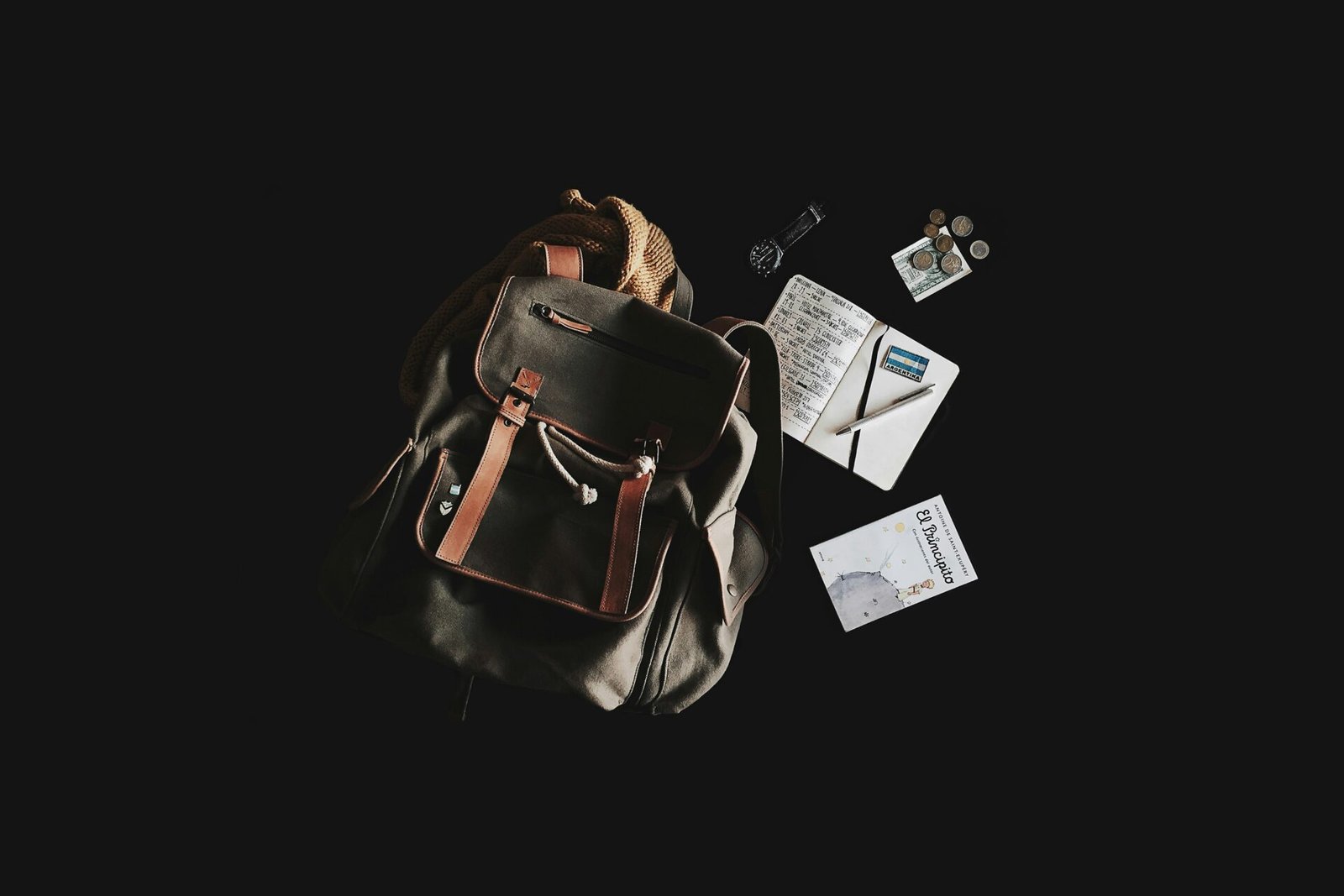

Introduction to Backpacking and Budget Travel
Backpacking and budget travel are two popular approaches that allure a diverse range of travelers, each offering unique experiences that cater to different preferences and lifestyles. Backpacking typically refers to a style of travel characterized by traveling with a backpack, often involving a more adventurous approach where travelers navigate destinations with minimal planning and constraints. This travel style tends to emphasize a connection with nature, cultural immersion, and spontaneous exploration. In contrast, budget travel focuses on reducing expenses while maximizing experiences, appealing to travelers seeking to stretch their finances without sacrificing quality. This might involve accommodation in hostels, using public transportation, and seeking out local eateries rather than more expensive dining options.
Despite their differences, backpacking and budget travel share commonalities. Both styles prioritize affordability and flexibility, enabling travelers to take advantage of various opportunities. They encourage a deeper understanding of the places visited, often leading to more authentic experiences through interactions with locals and engagement in local customs. Furthermore, both options have seen a rise in popularity in recent years, particularly among millennials and Gen Z travelers, who are seeking meaningful experiences rather than mere luxury. The growing trend of these travel types is reflected in the increasing availability of resources, such as travel blogs, forums, and apps, which help travelers share tips and itineraries.
Ultimately, the choice between backpacking and budget travel often depends on the individual’s interests, comfort levels, and the type of adventure they seek. Both styles provide valuable opportunities for exploration and personal growth, shaping the way individuals perceive and experience the world around them.
Overview of Backpacking
Backpacking is a travel style characterized by its minimalistic approach and a strong sense of adventure. Unlike conventional forms of travel that often rely on package deals, backpackers emphasize the freedom to explore destinations at their own pace. This flexibility allows them to create personalized itineraries and often leads to unexpected and enriching experiences. The essence of backpacking lies in the journey itself, where travelers can immerse themselves in diverse cultures and natural landscapes without the constraints of formal arrangements.
Commonly associated with young, adventurous travelers, backpacking attracts a diverse demographic that includes solo travelers, couples, and groups. This inclusivity varies widely based on an individual’s interests and travel goals. Many backpackers are motivated by the spirit of exploration as they seek off-the-beaten-path experiences, local interactions, and economical lodging options. Shared accommodations, such as hostels or guesthouses, are preferred by many backpackers, fostering community and camaraderie among fellow travelers.
When it comes to essential gear for backpacking, less is often more. A well-packed backpack will typically contain the necessities, such as a sleeping bag, portable cooking equipment, water purification systems, and durable clothing suited for various weather conditions. Lightweight and multi-functional items are favored, allowing for maximum mobility and efficiency. Moreover, backpackers often prioritize eco-conscious choices, opting for sustainable travel practices to minimize their environmental footprint.
In essence, the backpacking experience is about simplicity, adaptability, and the thrill of exploring new horizons. It provides an opportunity for individuals to connect deeply with their surroundings, engage with fellow travelers, and create lasting memories that extend far beyond traditional tourist attractions.
Pros and Cons of Backpacking
Backpacking is a popular mode of travel that entails carrying all necessary items in a backpack while exploring various destinations, often over an extended period. One of the primary advantages of backpacking is its cost-effectiveness. Travelers can save significantly by opting for budget-friendly accommodations, using public transportation, and preparing their own meals. This financial flexibility allows them to extend their travels and enjoy more experiences without breaking the bank.
Another key benefit of backpacking is the opportunity to meet fellow travelers. Hostels and communal setups foster environments where like-minded individuals can connect, share stories, and even embark on adventures together. This camaraderie can enrich the travel experience, leading to lasting friendships and a broader understanding of different cultures. Additionally, backpacking encourages exploration off the beaten path, allowing travelers to visit less-touristed areas and discover hidden gems that are often overlooked in traditional travel itineraries.
However, backpacking is not without its drawbacks. One notable downside is the comfort limitations that come with this style of travel. Accommodations may vary from basic hostels to camping in nature, often lacking the amenities and privacy found in hotels. This can lead to discomfort during extended trips, especially for those unaccustomed to such minimalistic living conditions. Moreover, there are safety concerns associated with backpacking, particularly in unfamiliar environments. Solo travelers may find themselves vulnerable to theft or scams, and certain regions may pose higher risks.
Another potential issue is travel burnout. The fast-paced nature of backpacking, coupled with the constant movement from one destination to another, can result in physical and mental fatigue. Travelers may find themselves feeling overwhelmed or detached, which can detract from the overall enjoyment of the journey. Therefore, while backpacking presents various advantages such as affordability and social opportunities, these pros must be weighed against the potential challenges. Ultimately, choosing to backpack entails a balance between adventure and personal limits.
Overview of Budget Travel
Budget travel is a form of tourism characterized by an emphasis on affordability, allowing travelers to experience diverse destinations without incurring significant financial burdens. It aims to deliver value-oriented experiences, ensuring that every dollar spent contributes to the overall enjoyment of the journey. For many, pursuing budget travel strategies can lead to discovering hidden gems that are often overlooked by those on lavish trips.
A key aspect of budget travel involves accommodations. Options range from hostels and guesthouses to budget hotels. These types of lodging not only provide essential amenities but also foster connections with other travelers, enriching the overall experience. Moreover, these accommodations are frequently located in prime areas, granting travelers access to local attractions and cultural experiences without excessive commuting costs.
Food plays a significant role in any travel experience, and budget travelers often seek local cuisine while remaining cost-conscious. Street food vendors, farmer’s markets, and casual eateries are excellent options that offer authentic culinary experiences at a fraction of the price of upscale restaurants. Engaging with local food can enhance one’s understanding of a destination’s culture and traditions, all while adhering to a reasonable budget.
Transportation is another critical element of budget travel. Many budget-conscious travelers opt for public transport systems, such as buses and trains, which are not only economical but also allow for a more immersive experience of daily life in the destination. Additionally, several budget airlines provide affordable flight options for traversing longer distances, further supporting the notion of exploring new locations within a limited financial scope.
Ultimately, budget travel is about making conscious choices to enjoy experiences affordably. By focusing on value, travelers can maximize their adventures while maintaining financial control. Whether it is discovering an open-air market or appreciating a local festival, the essence of budget travel lies in creating memorable moments without breaking the bank.
Pros and Cons of Budget Travel
Budget travel has grown increasingly popular among various demographics, offering a range of benefits that appeal to financially-conscious travelers. One of the primary advantages of budget travel is the financial freedom it provides. This approach enables individuals to explore new destinations without overspending, allowing them to allocate funds toward experiences, dining, and local attractions rather than exorbitant accommodation costs. The plethora of available options in the budget travel sphere, from hostels to budget airlines, ensures that travelers can find accommodations that suit their needs while adhering to their financial constraints.
Furthermore, budget travel often allows for a greater degree of comfort and convenience when compared to backpacking. Travelers can choose accommodations with private rooms, shared kitchens, and additional amenities, making for a more pleasant experience overall. This comfort can significantly enhance the travel experience, particularly for those who may prefer not to compromise on certain comforts, even while managing their expenses. Moreover, budget travel often allows for greater planning, enabling travelers to prepare and curate their itineraries, ensuring that they maximize their time at each destination.
However, budget travel does come with its own set of challenges and potential downsides. One notable limitation is the restricted spontaneity; when traveling on a tight budget, sticking to pre-planned itineraries and budget constraints can prevent travelers from embracing unexpected adventures or unique experiences that may arise. Additionally, those who favor budget travel may inadvertently miss out on some of the more cultural and immersive opportunities that can be found through the spontaneous nature of traditional backpacking. As such, while budget travel offers numerous advantages, it is essential for travelers to weigh these benefits against the limitations they may impose on the overall travel experience.
Key Differences Between Backpacking and Budget Travel
Backpacking and budget travel are two popular methods of exploring the world, but they cater to different types of travelers. Understanding their unique characteristics can help individuals choose which style aligns with their preferences and travel goals. One of the primary distinctions lies in travel style. Backpackers often prioritize adventure and spontaneity, often opting for long journeys with flexible itineraries. They tend to travel solely with a backpack, making mobility a crucial factor. In contrast, budget travelers may prefer a more structured approach, often utilizing transportation passes and pre-booked accommodation to maximize their experience while keeping costs under control.
Accommodations further highlight the differences between these two travel methodologies. Backpackers frequently choose hostels, camping, or budget guesthouses that foster social interactions, whereas budget travelers might select a mix of affordable hotels and guesthouses which provide more comfort or privacy. The choice of accommodation can significantly influence one’s travel experience, with backpackers generally seeking a more communal atmosphere while budget travelers may value convenience and amenities.
Food choices also vary considerably. Backpackers often embrace local cuisine and street food, experiencing culinary adventures that allow them to immerse themselves in the culture. This choice aligns with their philosophy of experiencing travel as a unique journey. On the other hand, budget travelers may favor a combination of local dining experiences along with self-catering options, ensuring they maintain dietary preferences while managing expenses efficiently.
Lastly, the overall travel mentality distinguishes the two. Backpackers often adopt a carefree perspective, welcoming unforeseen circumstances, and changes in plans. They prioritize experiences over material comforts, whereas budget travelers generally focus on maximizing value while enjoying their travels. By understanding these differences, potential travelers can make informed decisions regarding whether backpacking or budget travel suits their lifestyle and preferences better.
Who Should Choose Backpacking?
Backpacking is an adventurous form of travel that appeals to a specific type of individual. Those who should consider backpacking often possess a deep-rooted desire for exploration and a spirit of adventure. They are typically characterized by a preference for spontaneity and flexibility in their travel plans. While traditional vacations often involve a structured itinerary, backpackers thrive on the freedom to change plans at a moment’s notice. This impulsive approach allows them to immerse themselves fully in their surroundings, discovering hidden gems that often remain off the beaten path.
Additionally, backpackers generally have a passion for nature and the outdoors. This demographic is drawn to experiences that allow them to engage with the environment, such as trekking through national parks, camping under the stars, or hiking scenic trails. This love for nature often drives them to prefer off-grid locations or less commercialized areas, where they can experience the raw beauty of the landscape. Moreover, a moderate level of physical fitness is essential, as many backpacking activities and destinations require a degree of stamina and resilience.
Cost considerations also play a significant role in determining the suitability of backpacking for a traveler. Individuals who are budget-conscious often find backpacking appealing due to its affordability. This style of travel emphasizes low-cost accommodations, such as hostels and camping, along with budget-friendly food options like local markets or street vendors. Such economic choices allow backpackers to stretch their funds and prolong their journeys, ultimately enabling them to explore more places within a limited financial framework.
In summary, backpacking is ideal for thrill-seekers, nature enthusiasts, and budget travelers who relish the excitement of the unknown and prioritize experiences over luxury.
Who Should Choose Budget Travel?
Budget travel appeals to a wide range of individuals, particularly those who prioritize comfort, seek specific amenities, or possess certain personal circumstances that necessitate a more structured travel experience. For travelers who value a comfortable and predictable environment during their trips, budget travel often presents the ideal solution. Such travelers may prefer accommodations that provide essential comforts, such as private bathrooms, breakfast services, or easy accessibility to local attractions. This preference can lead them to choose budget-friendly hotels or hostels that strike a balance between affordability and comfort.
Another characteristic of those who may gravitate toward budget travel is their inclination toward having a fixed itinerary. This segment of travelers often finds solace in planned activities and a structured schedule, which offers clarity and reduces the chance of unexpected situations. Budget travel allows for easy arrangement of transportation and accommodation in advance, enabling travelers to maintain control over their schedules. This can be particularly beneficial for families or groups traveling together, as it simplifies logistics and enhances collective enjoyment.
Additionally, individuals with specific needs or personal circumstances—such as travelers with disabilities, families with young children, or those managing dietary restrictions—might prefer budget travel. The ability to pre-select accommodations and dining options that cater to their requirements can significantly enhance their travel experience. Budget travel options often include user-friendly tools for researching amenities that align with their specific needs, making it a suitable choice for those who wish to ensure their experiences are accommodating and enjoyable.
Ultimately, budget travel provides a flexible and affordable alternative for a variety of travelers, allowing them to explore the world while maintaining comfort and convenience tailored to their personal situations and preferences.
Tips for Choosing Between Backpacking and Budget Travel
When it comes to selecting the right travel style, understanding personal preferences and travel goals is essential. The first step is to ask yourself some critical questions. Consider how comfortable you are with spontaneity versus structured itineraries. Backpacking often entails a more flexible approach, while budget travel can offer pre-planned packages that include accommodations, transport, and activities.
Next, assess your travel experience and goals. Are you seeking adventure and a deeper cultural immersion? Backpacking can provide an opportunity to explore off-the-beaten-path destinations, interact with locals, and experience authentic living conditions. However, if your primary preference lies in convenience and ease, budget travel may better suit your needs, as it typically focuses on maximizing comfort without overspending.
It is also important to consider your timeframe. How much time do you have for your trip? Backpacking usually requires a longer travel period to explore various locations, as you may spend more time traveling between destinations and immersing yourself in each locale. On the other hand, budget travel can often accommodate shorter trips by providing organized tours and streamlined experiences that allow you to see multiple sites in a limited time frame.
Furthermore, think about your budget. While both backpacking and budget travel aim to minimize costs, they do so differently. Backpacking may involve a more variable budget that can fluctuate based on accommodations and activities chosen. Budget travel, conversely, tends to have fixed pricing which makes it easier to budget ahead of time. Analyze your financial constraints and decide which approach aligns better with them.
In conclusion, evaluating your comfort level with flexibility, travel goals, time constraints, and budget can greatly aid in choosing between backpacking and budget travel. Understanding what you want from your adventure will ultimately lead to a more fulfilling experience.
