


Introduction to Carry-On Travel
The concept of traveling with only a carry-on bag has gained significant traction in recent years. As more travelers seek efficient and cost-effective ways to navigate the complexities of air travel, minimalist packing has emerged as a popular solution. This approach not only simplifies the journey but also offers numerous benefits that enhance the overall travel experience.
One of the primary advantages of carry-on travel is the considerable time saved at airports. For many, the standard procedure of checking in luggage can be a cumbersome process, often involving long lines and potential delays. By opting for a carry-on, travelers can bypass these inconveniences. This allows for a more expedited check-in process, as well as a quicker security clearance and boarding experience. Ultimately, this efficiency means more time to enjoy the destination and less time spent in transit.
Financially, traveling with a carry-on can lead to substantial savings. Many airlines impose hefty fees for checked baggage, particularly on budget carriers. By adhering to a carry-on-only policy, travelers can avoid these extra costs, allowing them to allocate their budgets toward experiences or accommodation instead. Additionally, avoiding checked baggage can reduce the risk of lost or delayed luggage, which could lead to unanticipated expenses and further disruptions during the trip.
Moreover, the minimalist approach to packing encourages travelers to prioritize essentials, promoting a more thoughtful selection of clothing and gear. This practice can lead to lighter luggage, making it easier to navigate airports, train stations, and other travel hubs. Overall, carry-on travel not only redefines convenience but also embodies a philosophy of intentionality and simplicity, catering to the modern traveler’s needs in an increasingly fast-paced world.
Choosing the Right Carry-On Bag
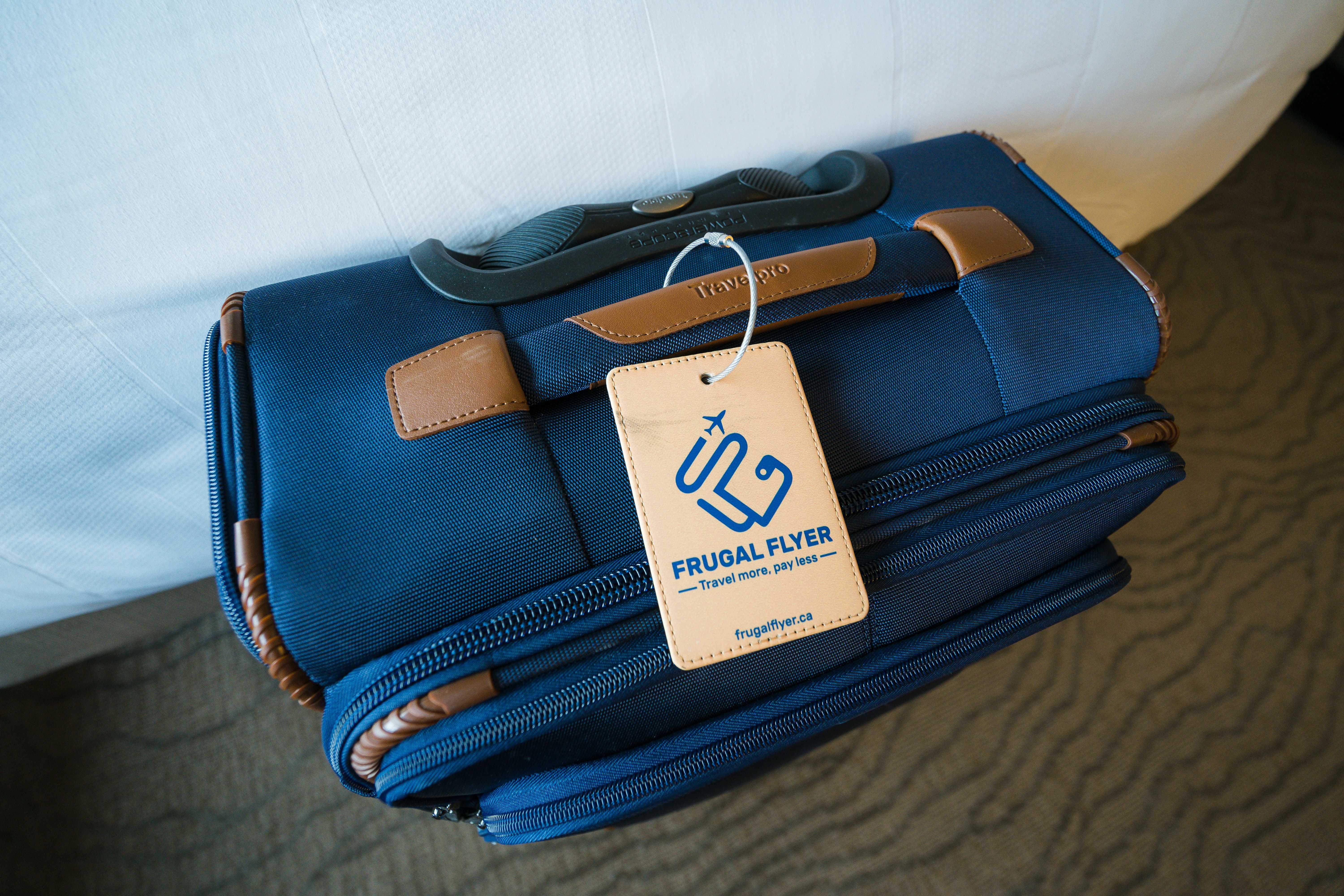
When embarking on the journey of mastering the art of travel, selecting the right carry-on bag is a fundamental step that can significantly enhance your travel experience. The ideal carry-on bag should comply with airline dimensions and weight restrictions, but it also needs to cater to individual preferences and travel habits. Understanding the various types of carry-on bags available is essential for making an informed choice.
The most common types of carry-on bags include wheeled suitcases, backpacks, and tote bags. Wheeled suitcases typically offer a combination of ease of mobility and storage space, featuring compartments that allow for organized packing. Backpacks present a versatile option, ideal for those who prefer hands-free travel. They often come with multiple pockets, making them practical for quick access to essentials. Tote bags, while stylish, may provide limited storage but can serve well for short trips or as an additional lightweight option for essentials.
In addition to the type of bag, travelers should consider specific features such as compartments and organization options. A well-designed carry-on should encompass a variety of pockets to keep items accessible, including designated sections for electronics, documents, and toiletries. Furthermore, the materials of the bag play a significant role in durability and water resistance, factors that can prove critical during travel.
Weight restrictions imposed by airlines can vary, making it imperative to weigh the bag before packing. Lightweight materials can help maximize packing capacity without exceeding airline limits. Ultimately, the right carry-on should strike a balance between functionality, comfort, and aesthetic appeal, making it a trusted companion during your travels. Careful consideration of these factors will help ensure a seamless travel experience, allowing you to focus on enjoying your journey.
Packing Efficiently: Tips and Techniques
Packing efficiently is a crucial skill for travelers aiming to utilize a carry-on bag effectively. Mastering the balance between packing light and ensuring all essentials are included requires planning and strategic organization. One effective technique is rolling clothes instead of folding them. Rolling minimizes wrinkles and optimizes space, allowing travelers to fit more items into their carry-on without excess bulk. It’s advisable to roll items like t-shirts, pants, and lightweight dresses, while bulkier pieces such as jackets can be folded neatly to maintain their shape.
Another valuable tool in the packing process is the use of packing cubes. These are handy organizational tools that can compartmentalize your belongings, making it easier to access specific items without the need to dig through an entire suitcase. By categorizing clothing and accessories into different cubes (such as tops, bottoms, and undergarments), travelers can enhance their packing strategy, making the best use of available space while keeping everything tidy. Additionally, packing cubes can encourage mindful packing, prompting individuals to assess what they genuinely need for their trip.
When organizing the carry-on, prioritizing essentials is vital. Items such as toiletries, medications, and chargers should be easily accessible in the designated compartments of the carry-on. Utilizing all available space, such as inside shoes or the side pockets of the bag for smaller items, further maximizes capacity. Lastly, being strategic about choosing versatile clothing, such as mix-and-match outfits that can be dressed up or down, not only saves space but also reduces the overall number of items required. By implementing these packing techniques, travelers can achieve a streamlined travel experience, ensuring they are well prepared while keeping their luggage manageable.
Essential Items to Pack
Packing effectively for travel while utilizing only a carry-on can be a considerable challenge. To navigate this process, it is imperative to curate a list of essential items that are both practical and necessary. This section will categorize essential travel items into clothing, toiletries, electronics, and travel documents, ensuring that you pack wisely, without unnecessary bulk.
When it comes to clothing, opting for versatile and lightweight pieces is essential. Choose clothing items that can be layered and worn in multiple combinations. For instance, two pairs of pants, three shirts, and a lightweight sweater should suffice for a week-long trip. It is advisable to select wrinkle-resistant fabric to maintain a polished appearance. Additionally, a pair of comfortable walking shoes and a pair of sandals or flip-flops should be included to accommodate various activities.
Moving on to toiletries, consider investing in travel-sized containers or purchasing your necessities upon arrival to save space. Pack only the essentials: a toothbrush, toothpaste, deodorant, a comb or brush, and any necessary medications. Remember to comply with airline regulations regarding liquids, ensuring that containers do not exceed the 3.4 ounces limit and are stored in a clear, resealable plastic bag.
In today’s digital age, electronics have become a staple in every traveler’s carry-on. A smartphone, charger, and a tablet or e-reader can significantly enhance your travel experience. These devices can serve multiple purposes, from communication to entertainment. Additionally, maintaining a power bank ensures that your devices remain charged throughout your journey, avoiding any travel-related stress.
Finally, do not overlook the importance of travel documents. Keep your passport, identification, boarding passes, and any visas organized in a travel wallet for easy access. It is also advisable to carry an itinerary and copies of any hotel reservations to avoid potential complications during your travels.
Finding Cost-Effective Travel Options
When planning a trip, securing cost-effective travel options is essential, especially for those opting to fly with a carry-on. One of the most effective strategies is to utilize travel comparison websites. These platforms aggregate flight and accommodation prices from various sources, allowing travelers to easily identify the best deals available. Popular sites such as Skyscanner, Kayak, and Google Flights enable users to filter results based on various criteria, including price, duration, and layover times. By comparing rates across multiple sites, travelers can make informed decisions that optimize their budgets.
Another efficient approach to saving money is by considering budget airlines. While they may not offer the same amenities as traditional carriers, they provide significantly lower fares, making them an attractive option for budget-conscious travelers. It is important to be aware of the fare structure, as some low-cost airlines charge for extras such as seat selection and checked baggage. However, flying only with a carry-on helps mitigate these additional costs, making budget airlines even more appealing for efficient travelers.
Timing your travel is crucial for cost savings. Off-peak travel, which occurs during less popular times of the year or week, can lead to substantial discounts on flights and accommodations. This period often coincides with school term times or specific seasonal patterns in tourism. By being flexible with travel dates, you can take advantage of lower prices while still enjoying a fulfilling travel experience. Furthermore, it is prudent to subscribe to airline newsletters and follow them on social media for exclusive promotions and flash sales targeted at carry-on travelers.
In addition to these strategies, seeking discounts through loyalty programs and credit card bonuses can further enhance your ability to travel affordably. Many airlines and hotels offer reward systems that provide travelers with points redeemable for free flights or hotel stays. By incorporating these methods into your travel planning, you can efficiently manage expenses and maximize savings while flying with just a carry-on.
Navigating Security and Boarding With Ease
Navigating airport security and the boarding process can often be a source of stress for travelers, particularly for those opting to fly with only a carry-on. However, with thoughtful preparation and strategic planning, these processes can be streamlined to enhance your travel experience. To begin, it is vital to have your essential documents, such as your boarding pass and identification, easily accessible. Consider using a travel wallet or a specific pocket in your carry-on that you can reach quickly, as this will save precious time during the check-in process.
As you approach the security checkpoint, adhering to the Transportation Security Administration (TSA) guidelines is essential for a smooth passage. Ensure that you are familiar with the rules regarding liquids and gels; these items should be stored in containers of 3.4 ounces (100 ml) or less and should be placed in a single quart-sized bag. Having this bag on top or in a side pocket of your carry-on helps to expedite your movement through security, permitting TSA officers to inspect it swiftly.
When it comes to the security screening itself, be ready to remove your shoes, belt, and any metal objects from your pockets. Wearing slip-on shoes can significantly reduce the time spent at security. Once you have placed your carry-on on the conveyor belt and walked through the scanner, patiently wait for your belongings to come through on the other end. After clearing security, keep an eye on the airport monitors for your gate assignment and boarding time to avoid unnecessary hustle.
Finally, as you prepare to board the plane, always have your boarding pass and ID in hand. Remain aware of the boarding process, as airlines typically board by groups or zones. This approach not only prevents crowding but also ensures a smoother transition onto the aircraft. By following these strategies, you can navigate airport security and boarding efficiently, enhancing your travel experience while flying with only a carry-on.
Making the Most of Your Carry-On Space
When traveling, maximizing the capacity of your carry-on bag is crucial for ensuring you have everything you need without incurring extra charges for checked luggage. To begin with, consider investing in multi-functional items. These versatile pieces can serve multiple purposes, thus reducing the number of items you need. For example, a scarf can be used as a blanket on a chilly flight, a beach cover-up, or a stylish accessory to enhance your outfits. Similarly, packing cubes allow travelers to compartmentalize clothing and other essential items, making it easier to access what you need without rummaging through your bag.
Another effective strategy is the use of compression bags. These bags are designed to reduce the volume of clothing by pushing out excess air, allowing you to pack more efficiently. They are especially beneficial for bulkier items like jackets or sweaters. When using compression bags, be mindful of your airline’s luggage weight limits to avoid any surprises at the check-in counter.
In terms of smart packing techniques, rolling clothes instead of folding them can help maximize space and minimize wrinkles. Additionally, strategically placing heavier items at the bottom of your bag can create a more balanced feel while in transit. Consider the weight distribution as you pack to optimize comfort. Moreover, take advantage of pockets and compartments, both inside and outside your carry-on. This allows for quick access to travel documents, electronics, and personal items, thus improving organization.
By incorporating these innovative approaches into your packing strategy, you can effectively make the most of your carry-on space, allowing you to enjoy varied outfit choices and have all essential items readily available during your travels. This thoughtful preparation will not only save you money on baggage fees but also enhance your overall travel experience.
Adjusting to a Minimalist Travel Mindset
Adopting a minimalist travel mindset requires a psychological shift that emphasizes simplicity and intentionality. Travelers often face the challenge of letting go of material possessions that contribute to emotional attachments and the sense of security derived from being over-prepared. Embracing minimalism involves redefining priorities and focusing on the essence of travel—experience, exploration, and connection. By recognizing that the value of a journey lies far beyond the items packed, travelers can learn to focus on the moments that truly matter.
The freedom associated with minimalist traveling cannot be overstated. Many individuals have reported feeling more liberated when traveling light. This transition allows for enhanced spontaneity, reducing the stress associated with heavy luggage and complicated itineraries. When one is not weighed down by excessive baggage, it becomes easier to engage fully with the environments visited. Furthermore, it encourages deeper interactions with local cultures, as the traveler is less likely to be preoccupied with their belongings.
Testimonials from seasoned minimalist travelers affirm the benefits of this approach. Some have expressed that letting go of non-essential items opens up new opportunities for adventure. They often describe moments spent in beautiful locations, sharing laughter and experiences, as more valuable than any possession left behind. The minimalist mindset fosters resilience and adaptability, as travelers learn to make the most of what they have rather than focusing on what they lack. Additionally, by embracing this way of thinking, individuals often report increased satisfaction during their travels, appreciating the richness of experiences over the weight of their luggage.
Adjusting to a minimalist travel mindset might initially seem daunting, but it ultimately leads to a more fulfilling and rewarding travel experience. Embracing this philosophy encourages individuals to focus on the journey itself rather than the material possessions associated with it.
Conclusion and Final Tips
Traveling with only a carry-on offers numerous advantages that can enhance your overall travel experience. This approach not only allows for greater flexibility and ease during transit but also results in significant savings on baggage fees and time spent at the airport. Throughout this blog post, we have explored various strategies for packing efficiently, selecting the right luggage, and navigating security checks with minimal hassle. Each of these elements plays a crucial role in mastering the art of flying with just a carry-on.
One of the pivotal tips we discussed is the importance of making a thoughtful packing list. By identifying your essential items, you can avoid unnecessary clutter and ensure that you have everything you need without exceeding luggage limits. Prioritizing versatile clothing and travel-sized toiletries can also help maximize space and convenience. Furthermore, utilizing packing cubes or compression bags can optimize how you organize your items, making it easy to locate what you need without rummaging through your bag.
As you embark on your journey towards a carry-on-only lifestyle, consider connecting with a community of like-minded travelers. Many online forums and social media groups focus on minimalist travel, providing valuable insights, tips, and support. By exchanging experiences with others, you can continuously refine your packing techniques and travel strategies.
Embracing the carry-on only travel philosophy not only streamlines your journey but also embodies a mindset focused on simplicity and cost-effectiveness. As you adopt these practices, you will likely find that the experiences, connections, and memories created while traveling far outweigh the need for excess baggage. In conclusion, the benefits of traveling light are profound, allowing you to enjoy your adventures to the fullest while maintaining both budgetary and logistical peace of mind.
