

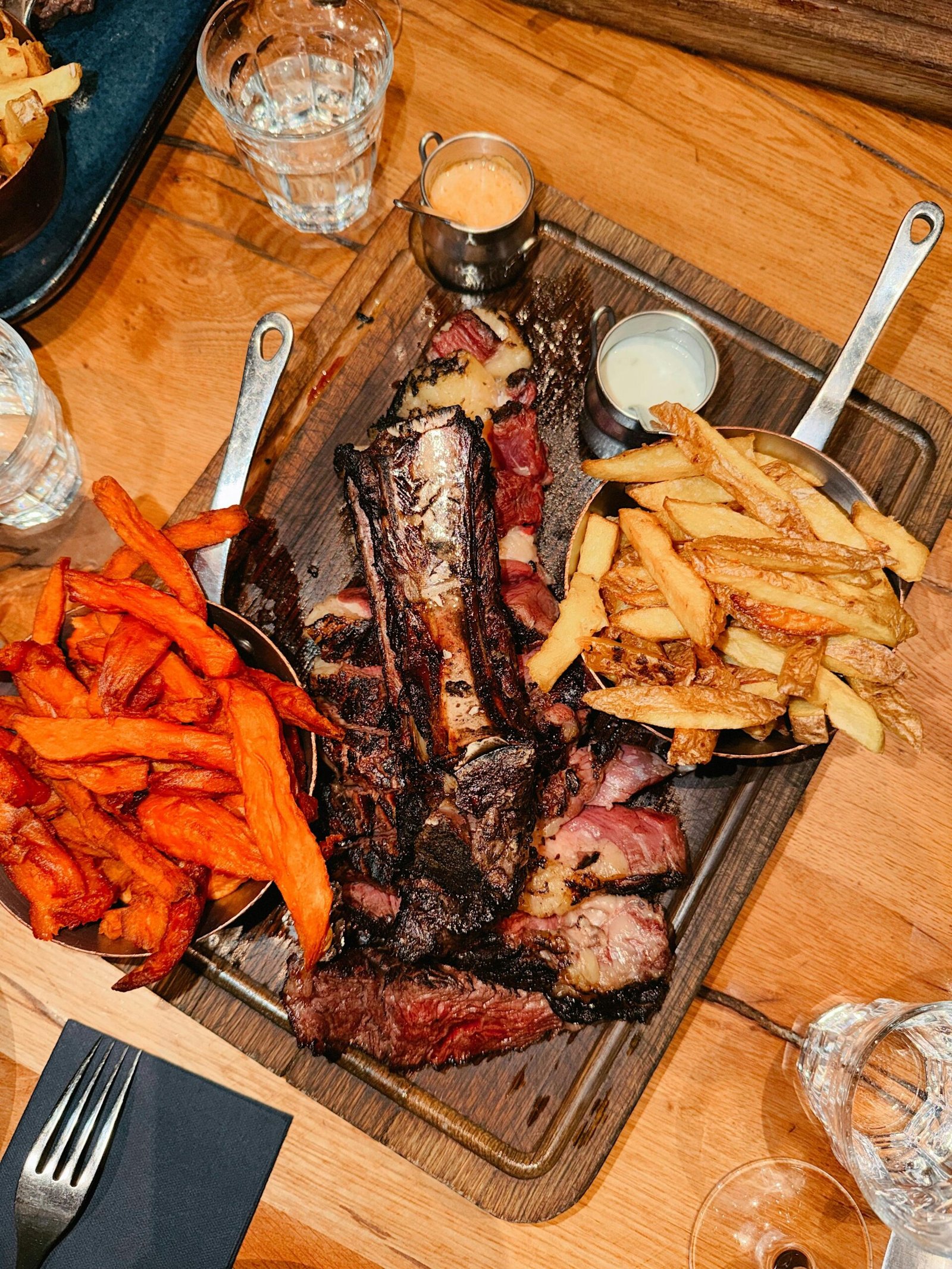
Food is more than nutrition—it is a living archive of a nation’s history, geography, religion, economy, and identity. Every ingredient, flavor, and cooking method reflects centuries of human experience. When you travel, learning about local cuisine is one of the most powerful ways to understand a culture. This article explores how food shapes identity, social structure, and national memory.
1. Geography Shapes Ingredients
Local environments determine what grows, what animals thrive, and what resources are available.
- Japan: Surrounded by ocean—fish, seaweed, rice, soy define daily meals.
- Middle East: Dry climate—lentils, flatbread, dates, lamb dominate cuisine.
- Northern Europe: Cold winters led to pickling, smoking, and fermentation.
Geography explains why cuisines differ so dramatically.
2. History Influences Flavor
Historical events can permanently reshape taste:
- Colonialism: Introduced new spices, crops, and cooking methods.
- Trade Routes: The Silk Road brought noodles from China to Italy.
- Immigration: America’s food culture is built from global influences.
Food carries stories of migration, power, and innovation.
3. Religion Determines What People Eat
Many cultures have religious food rules:
- Islam: Halal laws, no pork.
- Hinduism: Many avoid beef.
- Buddhism: Vegetarian cuisine in temples.
- Judaism: Kosher laws guide daily meals.
Religion shapes cooking practices and social gatherings.
4. Food as Social Identity
What people eat signals belonging:
- Italians and their regional pasta traditions
- Koreans and communal dishes like kimchi and bibimbap
- Indians and their spice combinations that vary by region
Food unites communities and reinforces cultural pride.
5. Food as Celebration
Almost every culture uses food to mark life events:
- Weddings
- Harvest festivals
- Lunar New Year
- Religious holidays
Ritual meals preserve tradition across generations.
Conclusion
Cuisine is a window into culture—its history, geography, beliefs, and identity. When you eat local food, you aren’t just tasting flavors; you’re tasting stories.
