

Traveling is not just about landscapes, architecture, or bucket-list attractions—it’s about understanding the heart of a place. And nothing reveals the soul of a country more vividly than its festivals. These celebrations, whether rooted in religion, history, harvest seasons, or ancient traditions, let travelers witness how communities come together, express their values, and preserve their identity across generations.
Festivals are windows into the collective personality of a culture: its warmth, beliefs, humor, struggles, creativity, and joy. When you participate—even as an observer—you’re not just seeing a country; you’re feeling it.
This article explores some of the world’s most iconic festivals and explains what each one reveals about the country’s spirit. From emotional religious rituals to colorful street parades, from spiritual introspection to energetic carnivals—these are the moments where a nation’s character shines brightest.
1. Holi (India) – The Celebration of Color, Unity, and Renewal
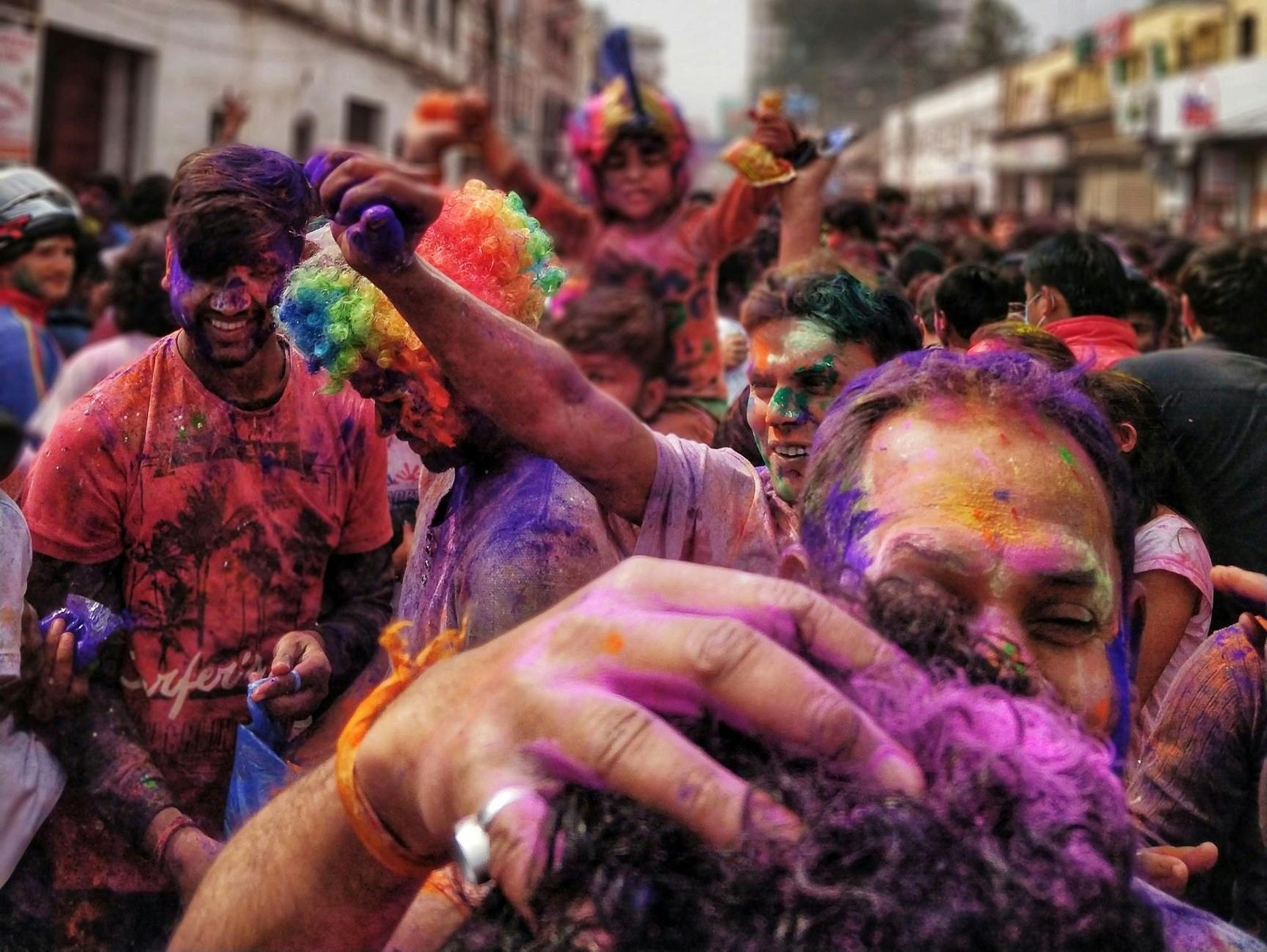
Holi, known around the world as India’s “Festival of Colors,” is much more than a playful event. It is a celebration deeply connected to themes of rebirth, forgiveness, and the triumph of good over evil.
What It Reveals About India
Holi captures the essence of India’s vibrant cultural identity—its ability to blend chaos and harmony, spirituality and celebration, tradition and joy. Strangers smear colors on one another, families reunite, and communities forget old conflicts for a day.
The openness, warmth, and emotional expressiveness of Indian culture are on full display. Holi says: life is messy, but beautiful—and best enjoyed together.
A Traveler’s Experience
As a traveler, expect joyful chaos: clouds of powdered color filling the air, music echoing through the streets, and people inviting you with, “Happy Holi!” It’s messy, it’s energetic, and it’s unforgettable.
2. Día de los Muertos (Mexico) – A Celebration of Memory and Love
Often misunderstood as a “scary” holiday, Día de los Muertos (Day of the Dead) is one of the most poetic festivals in the world. Celebrated on November 1–2, families build ofrendas (altars) to honor ancestors, decorate graves with marigolds, and share favorite foods of loved ones who have passed away.
What It Reveals About Mexico
This festival showcases Mexico’s deep respect for family, ancestry, and the continuity of life. Instead of fearing death, Mexican culture embraces it with acceptance, humor, and warmth. The holiday expresses one of Mexico’s most beautiful values: love does not end, even when life does.
A Traveler’s Experience
Travelers witness candlelit cemeteries glowing at night, families singing and laughing near graves, and processions filled with artful face paint and symbolic costumes. Surrounded by marigold petals and scent of incense, you’ll feel a profound tenderness in the air—an emotional blend of celebration and remembrance.
3. Carnival (Brazil) – Rhythm, Energy, and the Joy of Collective Expression
Brazil’s Carnival might be the most famous festival on the planet. It’s a dizzying explosion of dance, music, parades, and street parties that transform entire cities—especially Rio de Janeiro—into oceans of color.
What It Reveals About Brazil
Carnival reflects Brazil’s spirit of joy, creativity, sensuality, and unity. Despite Brazil’s social challenges, Carnival proves that celebration is part of the national DNA. Communities—rich, poor, local, foreign—dance together in the streets.
Samba schools spend an entire year crafting themes, costumes, and choreography. The pride and artistry behind each parade tell a story: Brazil rises through music, movement, and passion.
A Traveler’s Experience
You’ll hear drums vibrating through your chest, see costumes shimmering under streetlights, and feel the contagious energy of millions celebrating together. It’s not just a party—it’s a collective heartbeat.
4. Hanami (Japan) – Beauty, Impermanence, and Collective Serenity
Hanami, Japan’s cherry blossom festival, is a celebration of spring—and an emotional expression of the Japanese philosophy of appreciating the fleeting nature of beauty.
Families, friends, and coworkers gather under cherry blossom trees for picnics, quiet conversation, and reflection.
What It Reveals About Japan
Hanami embodies mono no aware—the Japanese awareness that all beautiful things are temporary. Rather than sadness, there is gratitude. The festival showcases Japan’s aesthetic sensitivity, appreciation of nature, and cultural emphasis on mindfulness.
It is perhaps the most peaceful festival on earth.
A Traveler’s Experience
Expect a soft, dream-like atmosphere: pale pink petals falling like snowflakes, crowds sitting calmly on picnic blankets, and a sense of shared serenity in parks across the country. It’s a moment where silence feels meaningful and beauty becomes communal.
5. La Tomatina (Spain) – Humor, Playfulness, and Community Spirit
Held in the town of Buñol, La Tomatina is one of the world’s most unusual festivals: a giant tomato fight involving thousands of people.
What It Reveals About Spain
This festival reflects Spain’s playful spirit and love of spontaneity, humor, and community. Spaniards value living in the moment, not taking life too seriously, and celebrating together—whether in small towns or big cities.
La Tomatina is chaotic, messy, and joyful, and it perfectly captures Spain’s fun-loving heart.
A Traveler’s Experience
Travelers dive into a sea of splattering tomatoes, slippery streets, laughter, and pure silliness. There’s no deeper philosophy here—just the joy of being alive with others.
6. Songkran (Thailand) – Cleansing, Renewal, and Warm Hospitality
Songkran marks the Thai New Year and is celebrated through water-throwing festivals across the country. While tourists often see it as a giant water fight, its roots are deeply spiritual.
What It Reveals About Thailand
Songkran shows Thailand’s core values: respect for elders, spiritual cleansing, kindness, and community harmony. Traditionally, families visit temples, pour water gently over Buddha statues, and wash the hands of elders to show gratitude.
The modern water fights are playful extensions of this cleansing ritual—reflecting Thailand’s friendliness and welcoming attitude.
A Traveler’s Experience
You’ll be soaked from head to toe, greeted with smiles, and invited to join the fun. Walking the streets becomes a joyful battle of water, laughter, and shared excitement.
7. Oktoberfest (Germany) – Community, Tradition, and Celebration of Togetherness
Oktoberfest is the world’s largest beer festival, but at its core, it’s a celebration of Bavarian culture: music, food, family, folk tradition, and community cheer.
What It Reveals About Germany
The festival reflects Germany’s strong values of tradition, craftsmanship, and community bonding. People of all ages dress in traditional clothing, gather in large tents, sing folk songs, and celebrate with hearty meals.
Contrary to stereotypes of German seriousness, Oktoberfest reveals the country’s warm, welcoming, and joyful side.
A Traveler’s Experience
Expect lively music, communal tables, traditional costumes, and a sense of belonging—whether you’re a local or a visitor. It’s a reminder that joy can be structured, shared, and rooted in heritage.
Why Festivals Matter for Travelers
Festivals help travelers form deeper connections with destinations. They offer:
✓ Cultural Authenticity
You witness customs locals genuinely care about—not tourist simulations.
✓ Human Connection
Festivals break barriers: people laugh together, eat together, dance together.
✓ Emotional Understanding
You feel a culture’s values rather than just reading about them.
✓ Memories for a Lifetime
The sounds, colors, rituals, and emotions stay with you long after you leave.
Final Thoughts
If landscapes show a country’s beauty, festivals show its soul. They reveal how people celebrate, mourn, honor, and connect. They tell you what the country values most—joy, family, spirituality, humor, community, creativity, or remembrance.
When planning your travels, consider timing your trip around a major festival. You won’t just see a place; you’ll experience the rhythm of its heart.
